
Optimal Waterproofing Timing for Building Protection
Waterproofing is a crucial aspect of building maintenance and protection, ensuring structures remain dry and durable over time. Proper timing of waterproofing applications can significantly impact their effectiveness and longevity. Understanding the optimal periods for waterproofing can help prevent water intrusion issues and reduce costly repairs.
Spring is an ideal time for waterproofing due to moderate temperatures and lower humidity, allowing materials to cure properly.
Early summer offers warm weather but avoiding peak heat is important to prevent rapid drying of sealants and coatings.
Fall provides cooler temperatures and less rain, making it suitable for preparing structures before winter.
Winter waterproofing is generally not recommended due to freezing temperatures that hinder application and curing processes.
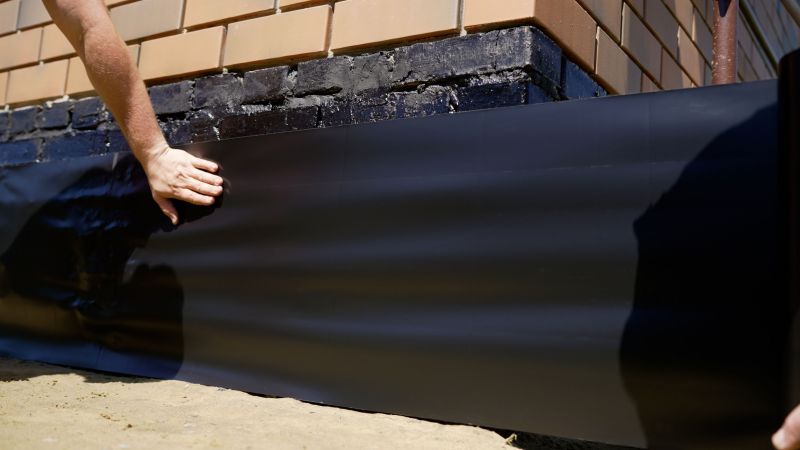
Spring weather conditions are optimal for waterproofing projects, allowing for thorough curing and adhesion.
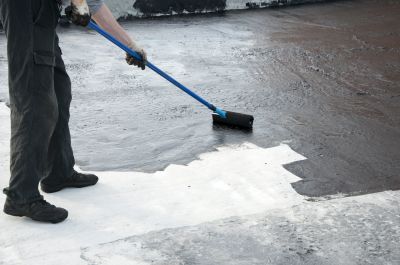
Using heat-resistant sealants during early summer ensures durability and effective water resistance.
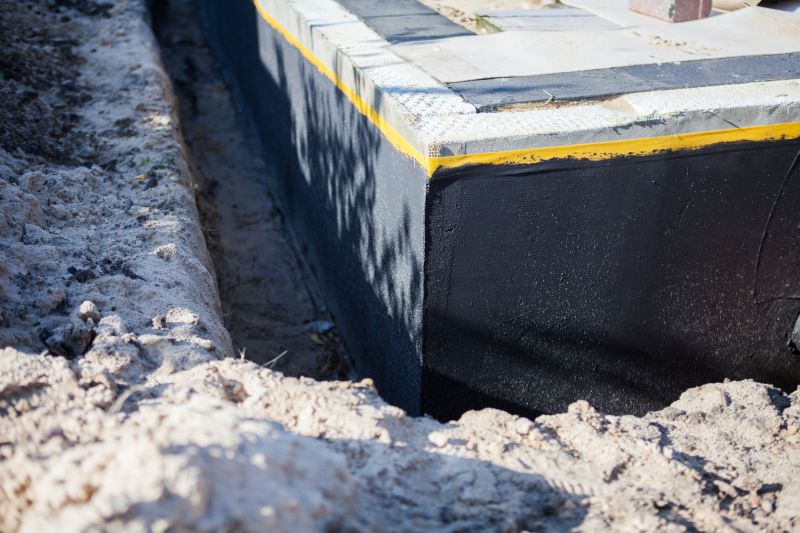
Fall is suitable for finishing waterproofing projects to protect structures before winter.
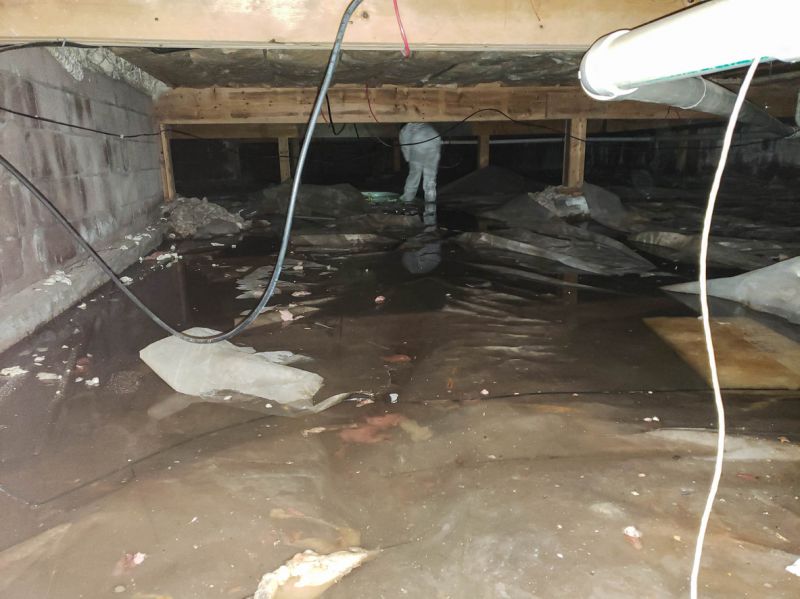
Ways to make Waterproofings work in tight or awkward layouts.
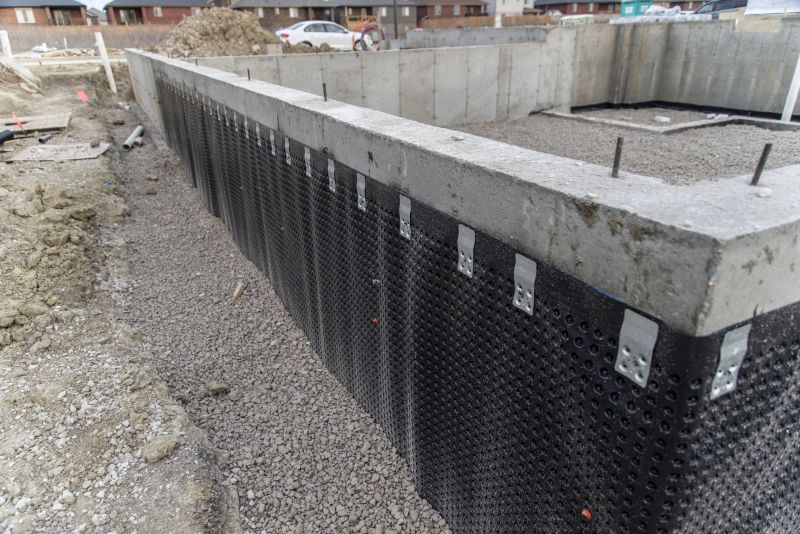
Popular materials for Waterproofings and why they hold up over time.
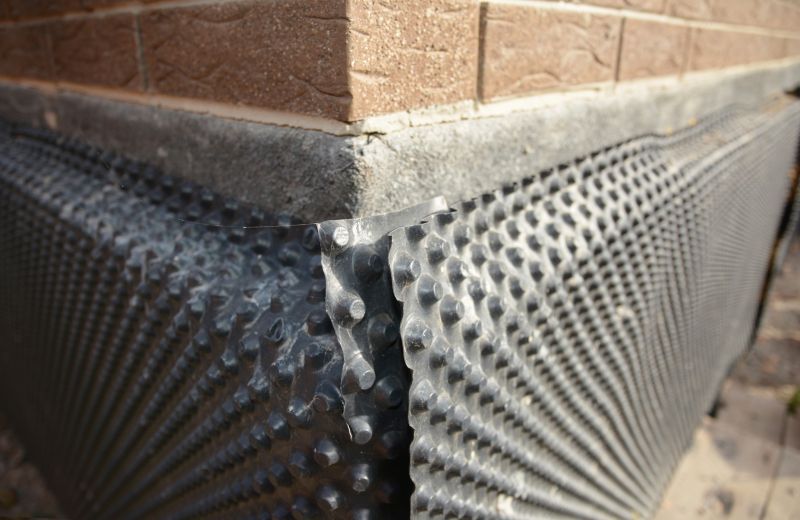
Simple add-ons that improve Waterproofings without blowing the budget.
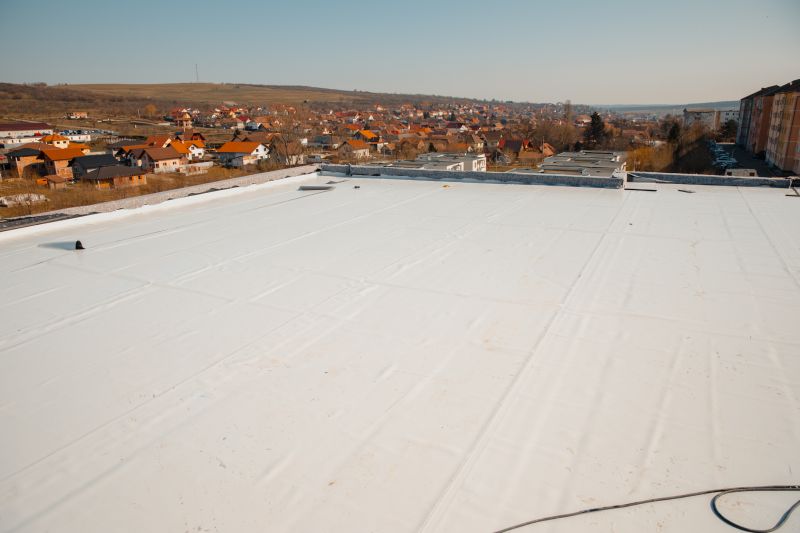
High-end options that actually feel worth it for Waterproofings.
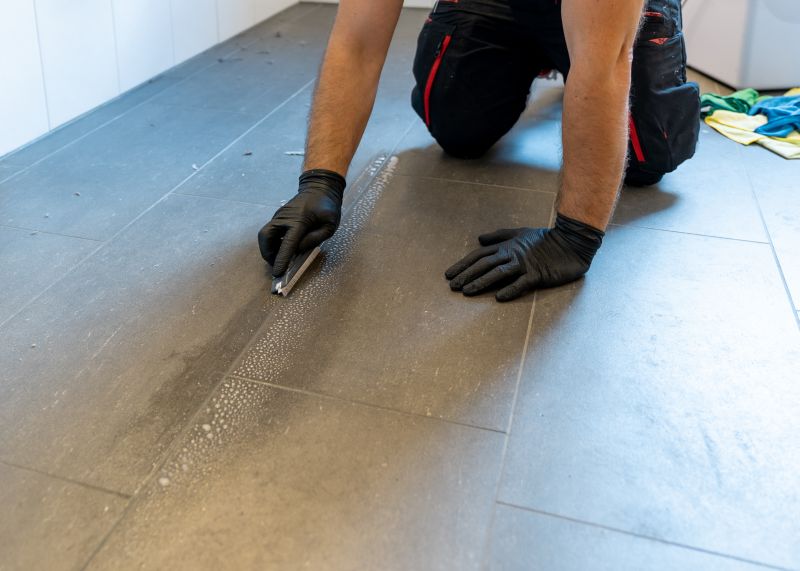
Finishes and colors that play nicely with Waterproofings.
| Season | Best Practices |
|---|---|
| Spring | Moderate temperatures and low humidity support optimal curing. |
| Summer | Avoid peak heat; use heat-resistant materials. |
| Fall | Cooler weather helps prepare structures for winter. |
| Winter | Generally unsuitable due to freezing conditions. |
| Post-Construction | Apply immediately after building completion for best protection. |
Waterproofings involve applying specialized materials to prevent water penetration in buildings, foundations, and other structures. Proper waterproofing enhances structural integrity, prevents water damage, and extends the lifespan of a property. Statistics indicate that water intrusion is responsible for a significant percentage of building repairs, making timely waterproofing essential. Techniques include membrane applications, sealants, coatings, and drainage systems, all of which require careful timing to maximize effectiveness.
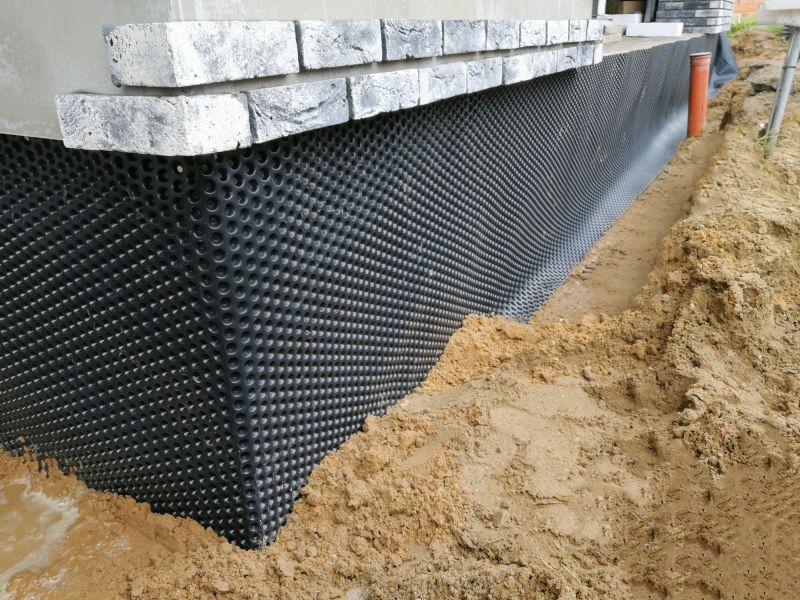
A durable membrane applied to foundations provides a reliable barrier against water intrusion.
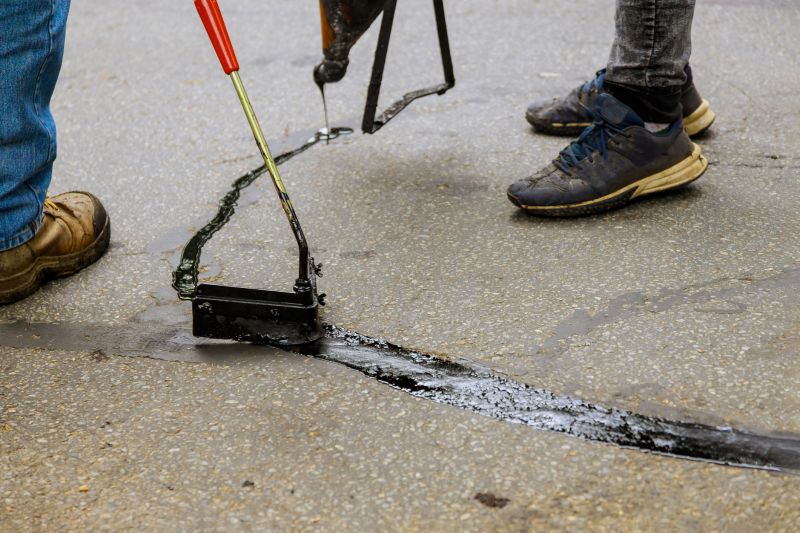
Sealants are used to fill joints and cracks, preventing water seepage.
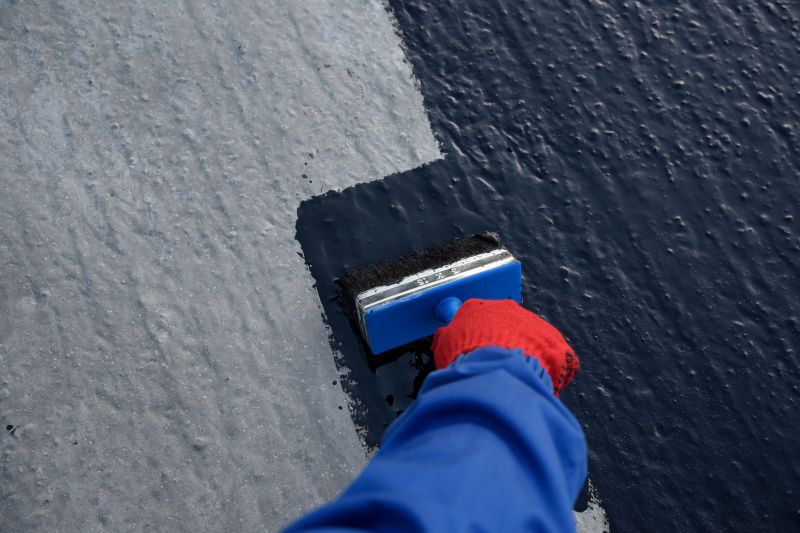
Protective coatings are applied to exterior surfaces to repel water and resist weathering.
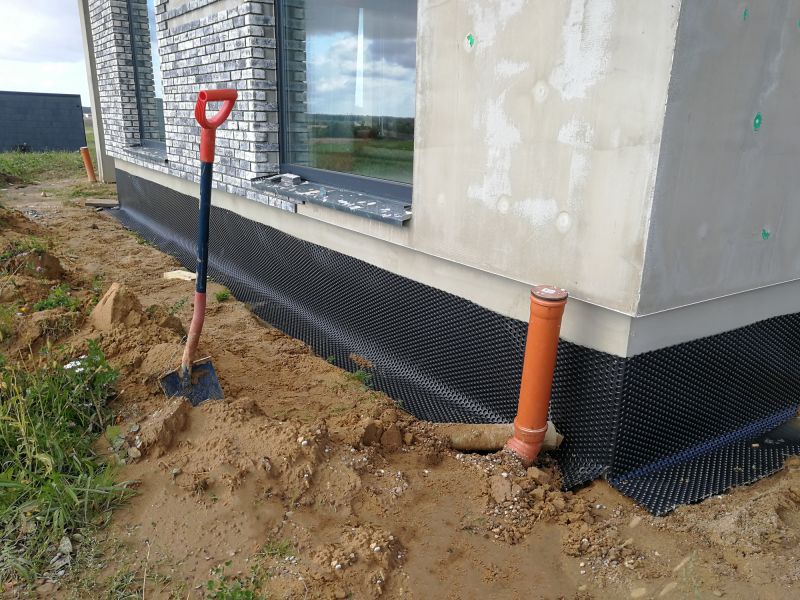
Effective drainage directs water away from structures, reducing pressure and risk.
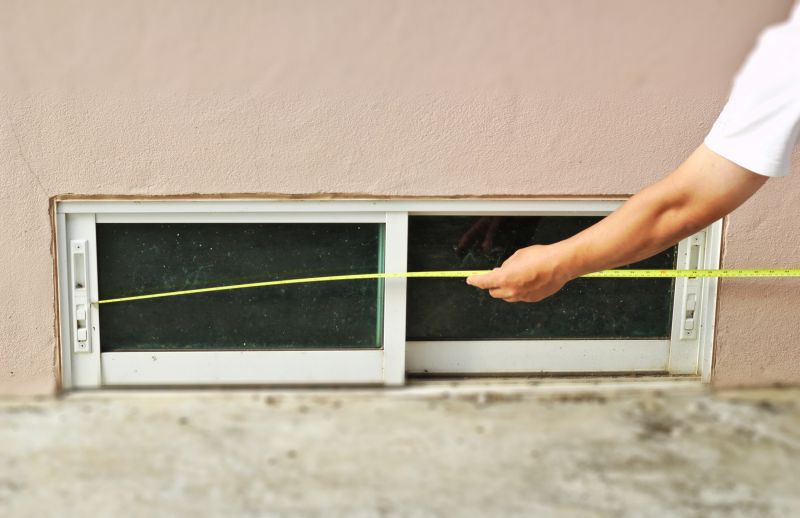
Little measurements that prevent headaches on Waterproofings day.
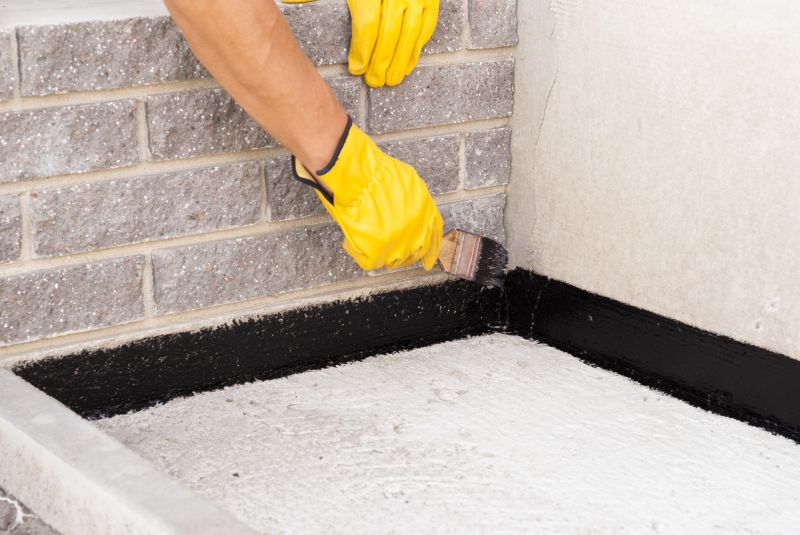
A 60-second routine that keeps Waterproofings looking new.
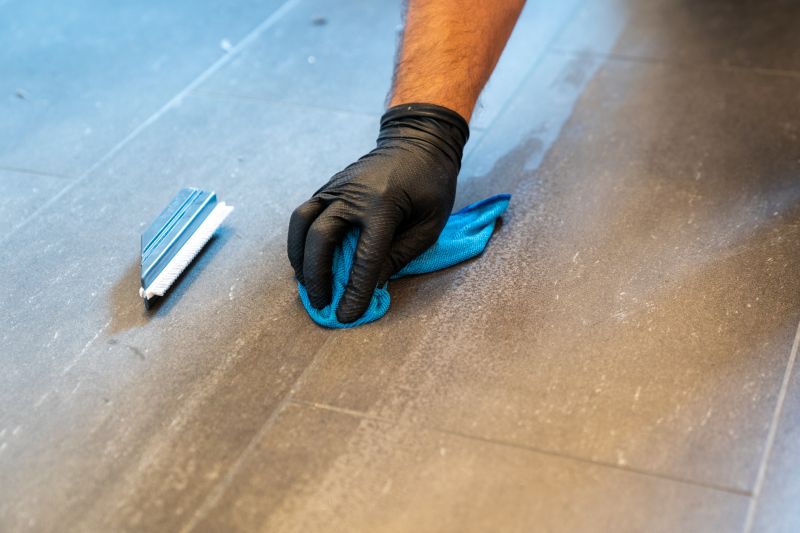
A frequent mistake in Waterproofings and how to dodge it.
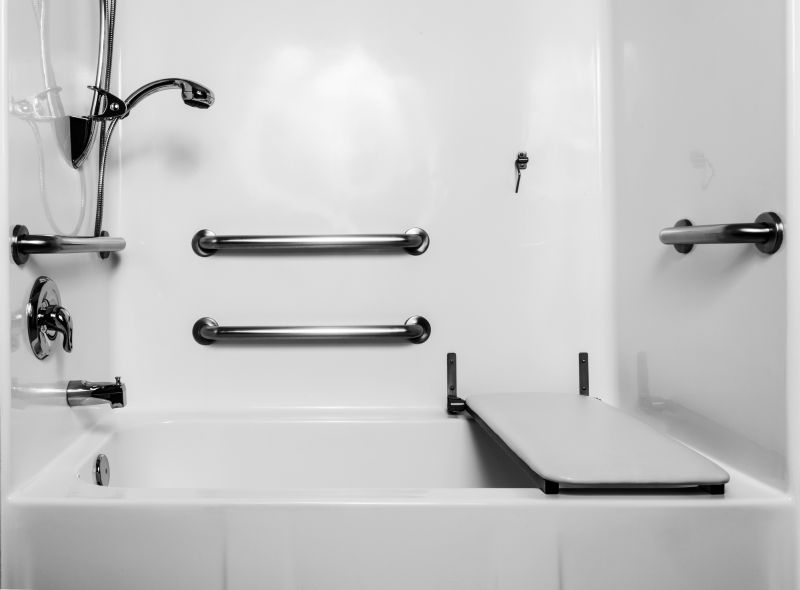
Small tweaks to make Waterproofings safer and easier to use.
Choosing the right time for waterproofing depends on climate conditions, project scope, and material specifications. Proper planning ensures waterproofing materials cure correctly and adhere effectively, providing long-term protection. Regular inspections and maintenance further enhance waterproofing performance, especially in regions with fluctuating weather patterns.
Applying waterproofing at the right time maximizes durability and effectiveness.
Avoid waterproofing during rainy or freezing conditions to prevent compromised application.
Complete waterproofing projects before cold weather to ensure proper curing.
Implement waterproofing soon after construction for optimal protection.
Interested parties can contact for more information on waterproofing options and scheduling. Proper timing and application are essential for long-lasting water protection, helping to prevent costly damages and maintain structural integrity.